Safari price by season: what makes it rise or fall
How safari prices change by season and month: high, shoulder and low season, what moves the cost and how to request a proposal without generic figures.
One of the questions we hear most is whether a safari is “cheaper” in a given month. The short answer: yes, some seasons usually cost less, but the real saving depends on nights, tier, park and logistics — not on a magic percentage published on a blog.
This guide explains, without generic figures, what moves the price month by month in Kenya and Tanzania, how to read high / shoulder / low season and what to ask for in writing. For the starting price by country, always use the price guides: Kenya safari price and Tanzania safari price.
The three bands lodges and camps use
High season
It usually matches the strongest international demand and, in many areas, the dry season or sought-after wildlife events (for example migration windows). Lodges apply high rates, sometimes minimum stays, and small camps tighten months ahead. Christmas, Easter and the European summer months often sit here across much of the classic circuit.
Shoulder season
Between peaks there are weeks when the rate drops a step and wildlife and relative weather are still good. These dates are interesting if you have flexibility: less booking pressure and often a better balance of experience and cost. They are not “cheap” in the abstract; they are less tense than the peak.
Low or green season
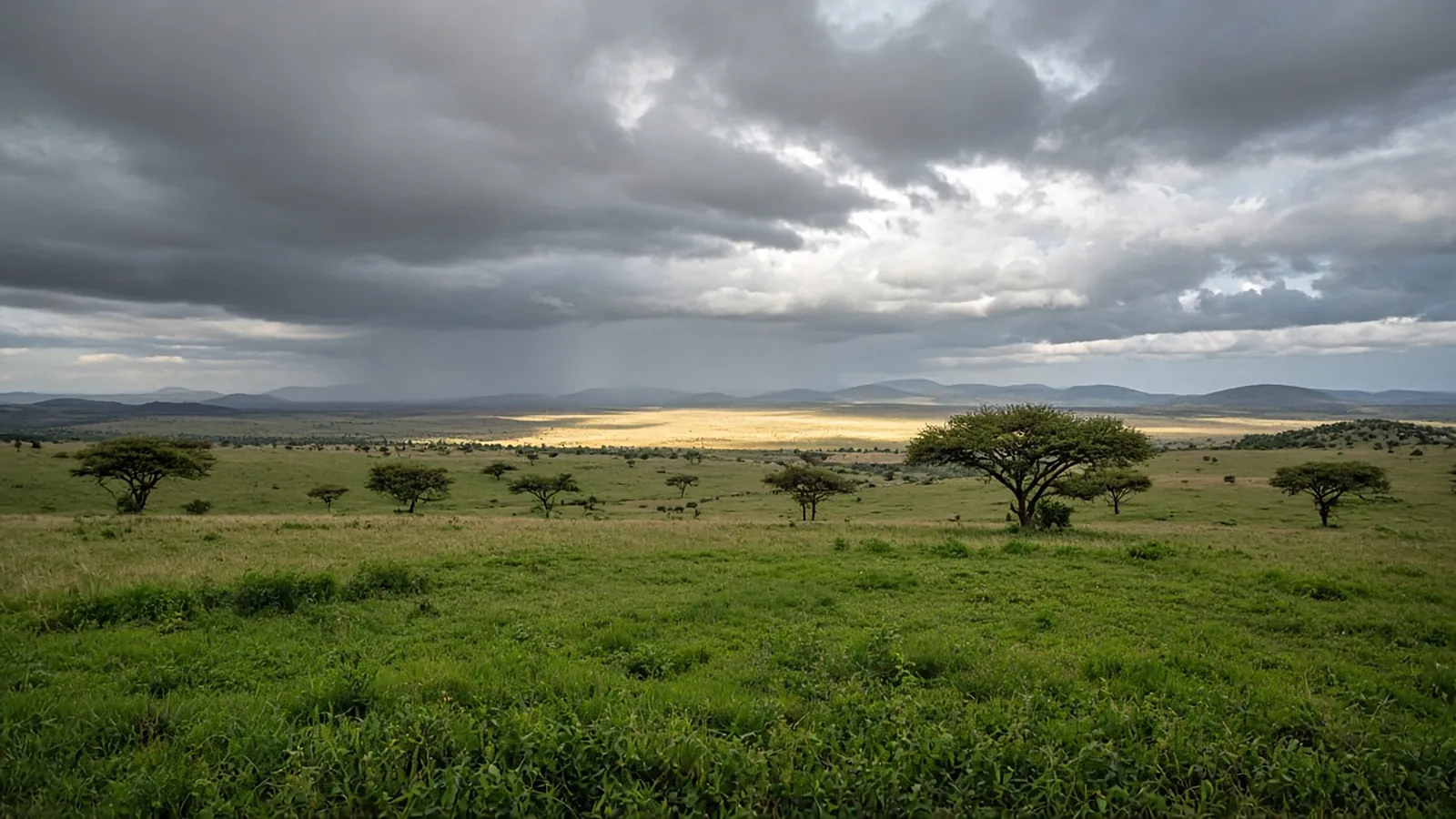
On many calendars this overlaps with more present rains. Some lodges close or reduce rates; others keep operating with discounts. Safari remains viable — green scenery, less dust, fewer people — if you accept showers and softer tracks. Context in green season safari and best time.
What moves the price (more than the month)
Area and wildlife event
A safari in the southern Serengeti at peak calving does not behave like the same lodge in June. The Masai Mara in a migration window tightens rate and occupancy. Price is not only “Kenya” or “Tanzania”: it is park + week.
Tier: Mid-range / Luxury / Ultra-luxury
The same week changes order of magnitude between tiers. We work with Mid-range / Luxury / Ultra-luxury. In high season the tier you wanted may be full and it can be wiser to combine nights or move dates by two weeks. Frame in safari budget categories and lodges vs camps.
Nights, vehicle and light aircraft
More park nights, a private vehicle and internal flights raise the total — and also the quality of safari time. A “cheaper” month with three long road transfers can work out worse than a slightly higher month with a flight that gives back half a day of wildlife. See safari bush flights.
Holidays and long weekends
Christmas, New Year and Easter concentrate Spanish and European demand. Even when the weather is rainy, the market behaves like high season. The Christmas and New Year post is already live; Easter has its own guide in the calendar.
Month by month: an indicative reading (not a rate)
January–February
High demand in the southern Serengeti for calving; in Kenya, strong resident wildlife safari. Often behaves as high or high-shoulder depending on area. Calving usually runs from December to March in the southern Serengeti, peaking around February: see our Serengeti calving season safari guide.
March–May
Transition and long rains across much of the region. Many shoulder or low rates; some camps close. Ideal if you prioritise value and accept variable weather.
June–October
Classic dry block and, depending on area, migration and crossings. Strong international demand: plan to book ahead. July–September are often among the tightest in the Mara / northern Serengeti.
November–December
Short rains and, at the end, holidays. November can be shoulder; the second half of December tightens for Christmas even while the land is still green.
This reading is indicative. A given lodge may run its own rate calendar. That is why the proposal should break down nights and the season applied, not an “average internet price”.
An example of a decision
Imagine you can travel the last week of March or the second week of July. In March you accept more rain risk and, in return, there is often more availability at good northern Tanzania camps. In July you gain more stable weather and, depending on area, a migration atmosphere, at the cost of booking earlier and peak rates. Neither option is “the right one”: it depends whether you prioritise the wildlife event, track comfort or budget margin. That is why we ask for priorities in writing before quoting.
How we ask for season in the proposal
We ask the local operator to mark, night by night, which seasonal rate applies and whether there is a festive supplement. That way you see the real effect of moving the trip seven days earlier or later. We also ask for tier alternatives if the camp you like most is full at the peak.
If your flexibility is two or three weeks, there is usually more room to improve than if the date is fixed by school terms or a long weekend. In that case we optimise route and transfer type before “chasing” an impossible month.
For the country price frame, always return to Kenya and Tanzania. This article does not replace those guides: it explains them in calendar terms.
How to compare two months properly
- Fix who travels and how many nights before obsessing over the month.
- Ask for the same tier and the same route in two date windows.
- Check what is included: park fees, vehicle, light aircraft, meals.
- Weigh the opportunity cost: would you rather save and risk more rain, or pay the peak and secure the wildlife event?
Support guides: how much a safari costs, what a safari includes, questions before booking.
School flexibility and long weekends
If you travel with children, the school calendar often rules more than the ideal rate. Then we optimise area and tier inside the possible dates, not the other way round. A four-day long weekend can work in Kenya with a light aircraft; a serious calving safari needs more nights. Decide that before falling in love with a specific camp.
Common mistakes
- Looking for a generic “X% discount” on blogs.
- Choosing the month only on price and discovering the star lodge is closed.
- Comparing an incomplete low-season proposal with a high-season all-inclusive one.
- Forgetting that international flights also have seasons.
- Leaving Easter or Christmas to the end because “in the rains there must be space”.
FAQ
Which month is cheapest?
There are usually more rate opportunities in the long rains, but it depends on the lodge and whether it is open. Ask for real figures for your dates.
Is a rainy-season trip worth it?
For many people, yes: fewer people, green landscapes, good resident wildlife. You need flexibility and an operator who is honest about the weather.
Does the starting price in the guide already include high season?
The guides explain the starting price and the factors. Your proposal will apply the specific season of each night.
Do Kenya and Tanzania behave the same?
They share high/low logic, but wildlife peaks do not fall in the same month in every park. Sometimes crossing countries only makes sense if the calendar justifies it — Kenya or Tanzania.
Request your proposal for your dates
Tell us which months you can travel, how many nights, whether you prioritise saving, dry weather or a wildlife event (calving, crossings), and the tier: Mid-range / Luxury / Ultra-luxury. We will return a proposal with season applied night by night and a clear link to the Kenya and Tanzania price guides. Request your proposal.
Related reading
- Rwanda gorilla safari: mountain gorillas and logistics
A Rwanda safari: gorillas in Volcanoes National Park, the permit, logistics from Kigali, savanna and forest, and what to ask for in the proposal.
- 4-day Kenya safari from Nairobi
A 4-day Kenya safari from Nairobi: what genuinely fits, how to split nights between the Mara, Amboseli or Nakuru, and what to ask for in the proposal.
- Multigenerational safari: grandparents, parents and children
A safari with grandparents, parents and children: shared pace, vehicle, lodging and what to ask for in the proposal so the trip works for all three ages.